May 12, 2025Journal entry
Across Cuba: Matanzas, Santiago, Baracoa and the Music Between
This was one of the most ambitious Cuba trips my team and I had put together: two travelers, a route across much of the island, and a lot of music I had wanted to…
This was one of the most ambitious Cuba trips my team and I had put together: two travelers, a route across much of the island, and a lot of music I had wanted to experience firsthand for years.
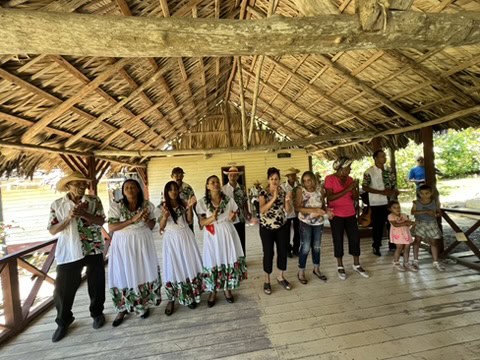
We started in Havana and made a day trip to Viñales, then went to Matanzas to spend time with Los Muñequitos de Matanzas. I have listened to and studied Afro-Cuban percussion for years, so getting to be around that tradition in Matanzas never feels like a generic tour stop to me.
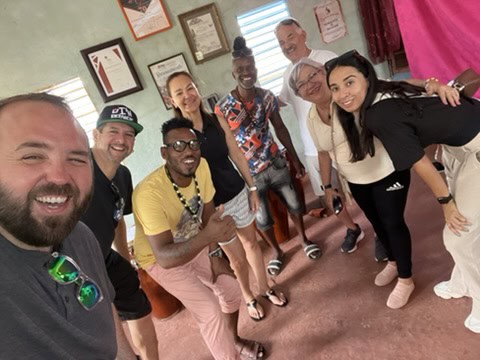
From there we continued to Playa Larga and visited Korimakao, the community arts project in the Ciénaga de Zapata. In Trinidad we spent time around traditional music there, including Las Tonadas Trinitarias. These are the kinds of stops I care about most: not just seeing a city, but meeting people who are actually carrying a tradition.
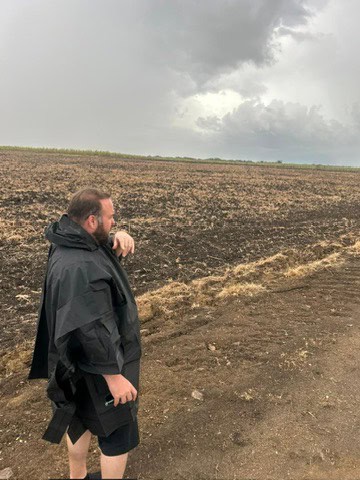
The route was not always easy. At one point we ran into a wildfire on the road. Conditions changed quickly with the wind and rain, the smoke got heavy and visibility dropped. We got through safely, but it was one of those reminders that a complicated itinerary is very different once you are actually responsible for moving people across the country.
After a short night in Camagüey, we continued to Santiago de Cuba. We heard son and rumba, visited El Cobre, and then kept moving east.

One of the biggest moments for me was Guantánamo City. We went to the Casa del Changüí and finally saw Tumba Francesa, something I had been trying to experience for close to eight years. In Baracoa we visited a chocolate farm and spent time learning more about Kiribá y Nengón and the musical history that connects that region to changüí and son.
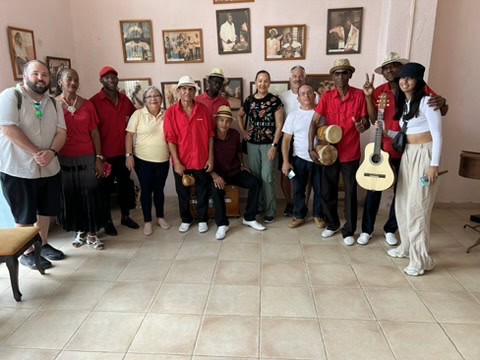
We finished back in Santiago around the National Day of Son. After years of leading music-focused trips in Cuba, this one stood out because of how much ground we covered and how deep we were able to go into regional music traditions rather than staying only in Havana.
I came home with an even stronger interest in the musical route from eastern Cuba: Kiribá y Nengón, changüí, son and the traditions around Santiago and Guantánamo. More than anything, the trip reminded me why I started doing this work in the first place: there is no substitute for being in the room, listening, asking questions and spending time with the people who actually make the music.